
Start with the foundations.
Eight online classes over two months, with three Rome-time slots for learners in Australia, the US East Coast and Europe.
Learn Italian differently
A method based on patterns, logic, conversation, creative writing and active reading.
How understanding grows
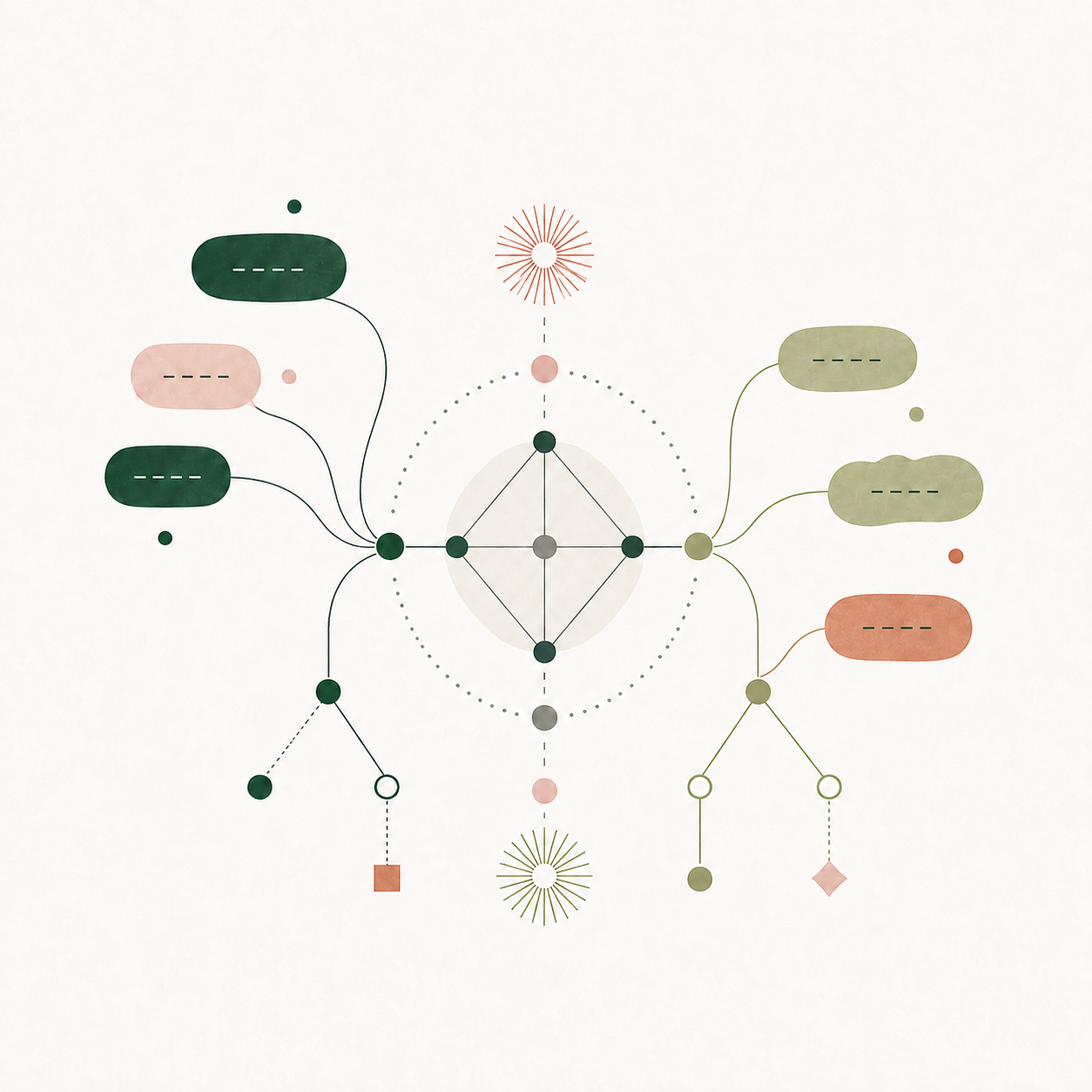
To understand beats mnemonics.
The logical way to learn a language is through the implementation of a coherent structure that bridges English to Italian, to give sense to the language.
UNDERSTANDING BEFORE MEMORISING
If you've ever felt that Italian grammar was full of exceptions, irregularities and rules, you're not alone. The language isn't the problem and neither are you.
The way it is taught is. At Italianing, understanding comes first. Once you begin to see the patterns and logic behind the language, grammar feels less overwhelming, conversation becomes more natural and confidence grows almost as a consequence.
Stop memorising isolated rules and begin recognising the structures that repeat throughout the language.
Every new grammar point becomes part of a bigger picture instead of another exception to remember.
Reading, writing and conversation reinforce one another, helping your understanding become practical ability.
Eventually you begin to hear when something doesn't sound right—even before you know the grammar rule behind it.
CHOOSE YOUR EXPERIENCE
There is no single right way to learn Italian. You might be looking for a clear structure, a space to speak more freely, a deeper connection with literature or a path shaped entirely around you. Every experience begins with the same idea: Italian makes more sense when you understand how it works.
Structured learning
A steady path through Italian, built around patterns, logic and conversation—with the added perspective of learning alongside others.
For learners who value structure and shared discovery.
Language and culture
Read Italian literature closely, discovering language, culture and the many Italies that guidebooks and grammar books cannot show.
For curious readers ready to go further.
Personalised learning
A learning path designed around your goals, pace and interests, with space to focus on precisely what will help you move forward.
For learners who need flexibility and focus.
Conversation and community
Relaxed conversation sessions where you can keep Italian in motion, exchange ideas and build confidence in good company.
For learners who want to speak, listen and connect.
WHAT'S HAPPENING NOW
Italianing changes with the people learning in it. New courses, reading groups and conversation sessions are shared here as they open—each one a different opportunity to keep building your relationship with Italian.
Eight online classes over two months, with three Rome-time slots for learners in Australia, the US East Coast and Europe.
Online reading journeys usually last around two months, with six readers ideally and no more than eight.
A relaxed online gathering held once every two weeks, for listening, responding and letting Italian become part of real conversation.
COMMUNITY
Learning does not happen alone. Questions asked in class, a sentence that stays with you after a book club or a conversation that goes somewhere unexpected—all become part of a shared way of paying attention to Italian.
Discover what changes when learners are given the time and clarity to make sense of Italian in their own way.
Shared learning experiences
Follow the books that bring language, contemporary life and the many Italies into the room.
Books read with curiosity
Return to past reading journeys and see how literature opens new paths into language and culture.
A growing record of reading
RESEARCH & ARCHIVE
Research, teaching notes and reading journeys for people who want to understand what language learning can change—not only in Italian, but in the way we pay attention to the world.
RESEARCH
What current research can—and cannot—tell us about language learning, cognitive reserve and growing older with curiosity.
Read the articleARCHIVE
Notes from lessons, books and conversations: the small discoveries that make Italian begin to make sense.
Enter the archive